If you’re planning a move in Northern Sumner County, one question comes up fast: should you stay with the smaller feel of Portland or make the jump to Gallatin’s larger market? It’s a smart question, especially if you want the right mix of price, home options, commute, and everyday convenience. The good news is that both cities offer solid opportunities, and the best fit often comes down to what matters most in your next chapter. Let’s dive in.
Portland vs. Gallatin at a Glance
Portland and Gallatin are close enough to compare directly, but they offer very different day-to-day experiences. Portland’s 2025 population estimate is 13,658, while Gallatin is much larger at 54,590. Since 2020, Gallatin has also grown much faster, with 22.8% growth compared with Portland’s 4.1%.
That difference shows up in how each place feels. Portland tends to feel more compact and locally scaled, while Gallatin functions more like a larger service hub with a wider mix of housing, shopping, and recreation. If you are deciding between the two, it helps to think less about distance and more about lifestyle fit.
Home Prices and Budget Fit
For many buyers, budget is the first deciding factor. Portland generally offers a lower price point than Gallatin, which can make it appealing if you want to keep your purchase price lower while still focusing on single-family homes.
In Portland, the median owner-occupied home value is $282,200. Census Reporter also shows that 43% of owner-occupied homes fall in the $200,000 to $300,000 range, and another 25% fall in the $300,000 to $400,000 range. That gives Portland a strong concentration of homes below $400,000.
Recent housing snapshots support that lower-cost profile. Zillow places Portland’s typical home value at $335,187, Redfin reports a March 2026 median sale price of $294,990, and Realtor.com shows an April 2026 median listing price of $374,450.
Gallatin sits higher across the board. Its median owner-occupied home value is $372,000, and a larger share of its homes fall at $400,000 and above. Zillow places Gallatin’s typical home value at $437,388, Redfin reports a median sale price around $420,000 in spring 2026, and Realtor.com lists a May 2026 median listing price of $471,445.
The numbers come from different types of market measurements, so they are not meant to match exactly. Still, the pattern is clear: Portland tends to offer a lower entry point, while Gallatin typically asks more but gives you access to a higher-priced and broader market.
Housing Stock and What You’ll Find
Price is only part of the story. The housing mix also matters, especially if you want a certain type of property or a wider selection during your search.
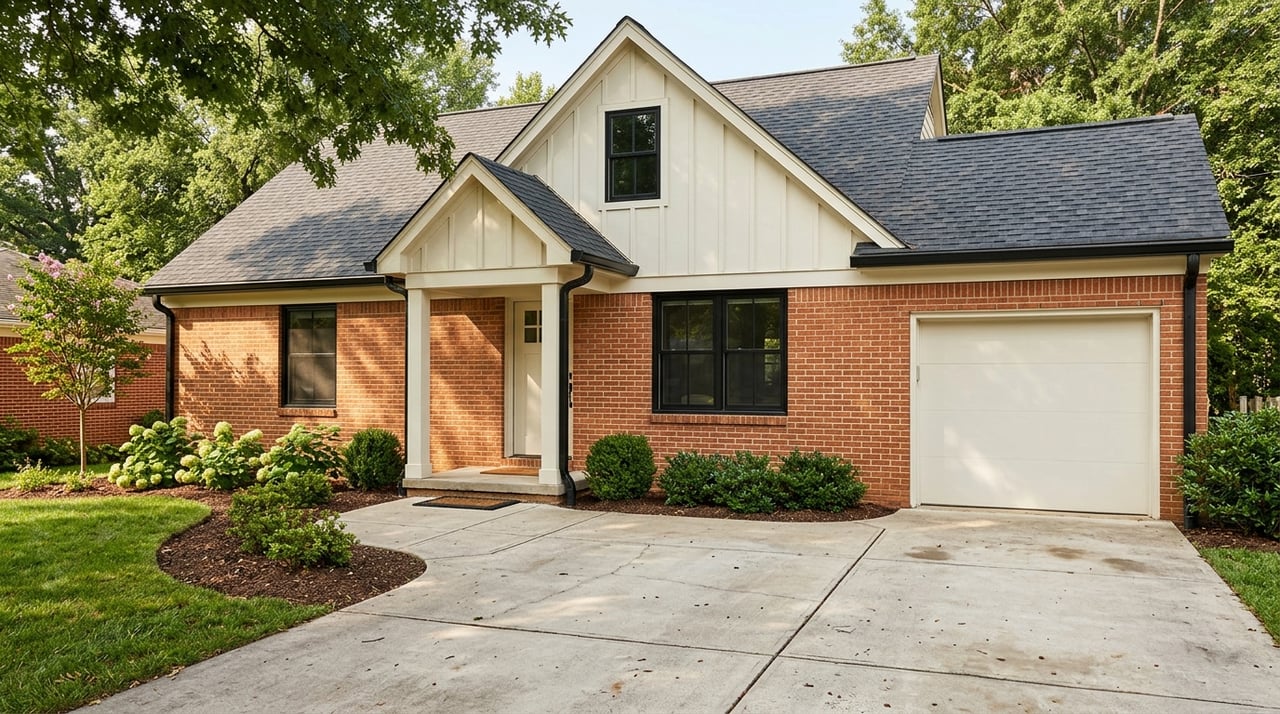
Portland’s housing stock leans more heavily toward traditional single-family ownership. About 76% of its housing is in single-unit structures, and 67% of units are owner-occupied. If you want a market that feels centered on detached homes and ownership, Portland lines up well with that goal.
Gallatin still has a strong single-family presence, but the mix is broader. About 65% of its housing is made up of single-unit structures, and 57% of units are owner-occupied. That can translate to a wider range of price points and property styles, especially for buyers who want more than a narrow shortlist.
Inventory levels show the difference clearly. In spring 2026, Realtor.com showed 295 homes for sale in Portland versus 917 in Gallatin. If your top priority is having more listings to compare, Gallatin usually gives you more room to search.
Commute and Getting Around
If you work in or around Sumner County, commute patterns matter. In both Portland and Gallatin, daily transportation is mostly car-based.
Census Reporter shows 0% public-transit commuting in both cities. Portland workers average a 28.9-minute commute, with 79% driving alone and 7% working from home. Gallatin workers average a 26.4-minute commute, with 73% driving alone and 15% working from home.
Tennessee does offer transit service in every county, and TDOT lists Mid-Cumberland Human Resource Agency transit service for Sumner County. Even so, the local data shows that most residents in both cities rely on driving for day-to-day life.
Road access helps make either location workable. TDOT identifies SR-109 as a key regional corridor running from Gallatin north through Portland, and Gallatin also connects toward Nashville by SR-386, also known as Vietnam Veterans Boulevard. For many movers, the decision is not whether the trip works, but which traffic pattern and routine feel better for your day.
Amenities and Daily Lifestyle
Your move is about more than square footage. It’s also about how you want everyday life to feel once the boxes are unpacked.
Portland’s Local-Scale Amenities
Portland’s amenities are more neighborhood-focused. The city highlights Richland Park and Meadowbrook Park as its two local parks.
Richland Park includes disc golf, a paved and lighted hike-and-bike trail, sports fields, and an amphitheater. Meadowbrook Park offers a dog park, walking trail, playground, lighted skate park, and sand volleyball courts. Portland also has a public library at 301 Portland Boulevard.
For many buyers, that setup supports a simpler, more residential feel. If you like easy access to parks and civic spaces without the pace of a larger city, Portland may feel comfortable right away.
Gallatin’s Broader Amenity Base
Gallatin offers a wider amenity mix and more destination-style options. The city highlights Downtown Gallatin Square for its shops, restaurants, murals, library, Palace Theater, museum, and Town Creek Greenway.
Its parks and trails offerings also include access tied to Old Hickory Lake, plus skateboarding, mountain biking, dog parks, and greenways. The civic center adds a pool, gym, racquetball courts, and an indoor walking track, while Volunteer State Community College provides another major local anchor.
If you want more built-in variety for dining, recreation, and community facilities, Gallatin often checks more boxes. That broader amenity base is one reason it tends to feel like the larger service center in this part of the county.
Which City Fits Your Move?
There is no one-size-fits-all answer here. A better question is this: what tradeoffs are you most comfortable making?
Portland may be the better fit if you want:
- A lower entry price
- A market centered on single-family homes
- A smaller-town pace
- A shorter list of options that may feel easier to sort through
Gallatin may be the better fit if you want:
- More homes to choose from
- More amenities and activity centers
- A broader range of home prices and styles
- A larger city feel with more destination spots
Both markets were classified by Realtor.com as balanced markets in spring 2026. That matters because it suggests your decision is less about chasing a hot market and more about choosing the right fit for your goals, budget, and lifestyle.
How to Make a Confident Decision
When you compare Portland and Gallatin, try to narrow your decision around three practical questions. First, what monthly payment range feels comfortable for you? Second, how much housing selection do you really want during your search? Third, what kind of daily routine do you want once you move in?
It can also help to compare specific homes in both cities side by side. Sometimes the right answer becomes obvious when you see how price, lot size, commute, and nearby amenities line up in real life. A calm, local comparison usually beats guessing from broad market headlines.
At Local Realty Partners, our approach is simple: people first, always. If you’re weighing Portland against Gallatin, we can help you compare the tradeoffs clearly, tour with purpose, and make a move that fits your life without pressure. When you’re ready, connect with Local Realty Partners, LLC for a conversation about your next step.
FAQs
Is Portland or Gallatin more affordable for homebuyers?
- Portland is generally more affordable based on lower median home values, lower typical home values, and lower median sale and listing prices than Gallatin.
Does Gallatin have more homes for sale than Portland?
- Yes. Spring 2026 market snapshots showed 917 homes for sale in Gallatin compared with 295 in Portland.
Is commuting from Portland to Gallatin realistic?
- Yes. The two cities are connected by key regional roads, including SR-109, and the comparison is usually about preferred driving patterns rather than whether the trip is possible.
What types of homes are more common in Portland?
- Portland has a stronger concentration of single-unit homes, with 76% of its housing stock in single-unit structures.
What amenities does Gallatin offer that Portland may not match?
- Gallatin offers a broader amenity base, including Downtown Gallatin Square, greenways, Old Hickory Lake-related recreation, a civic center, and Volunteer State Community College.
Is Portland a good fit if you want a smaller-town feel?
- Portland may be a better fit if you want a more compact, residential setting with local parks, civic spaces, and a lower entry price for homeownership.